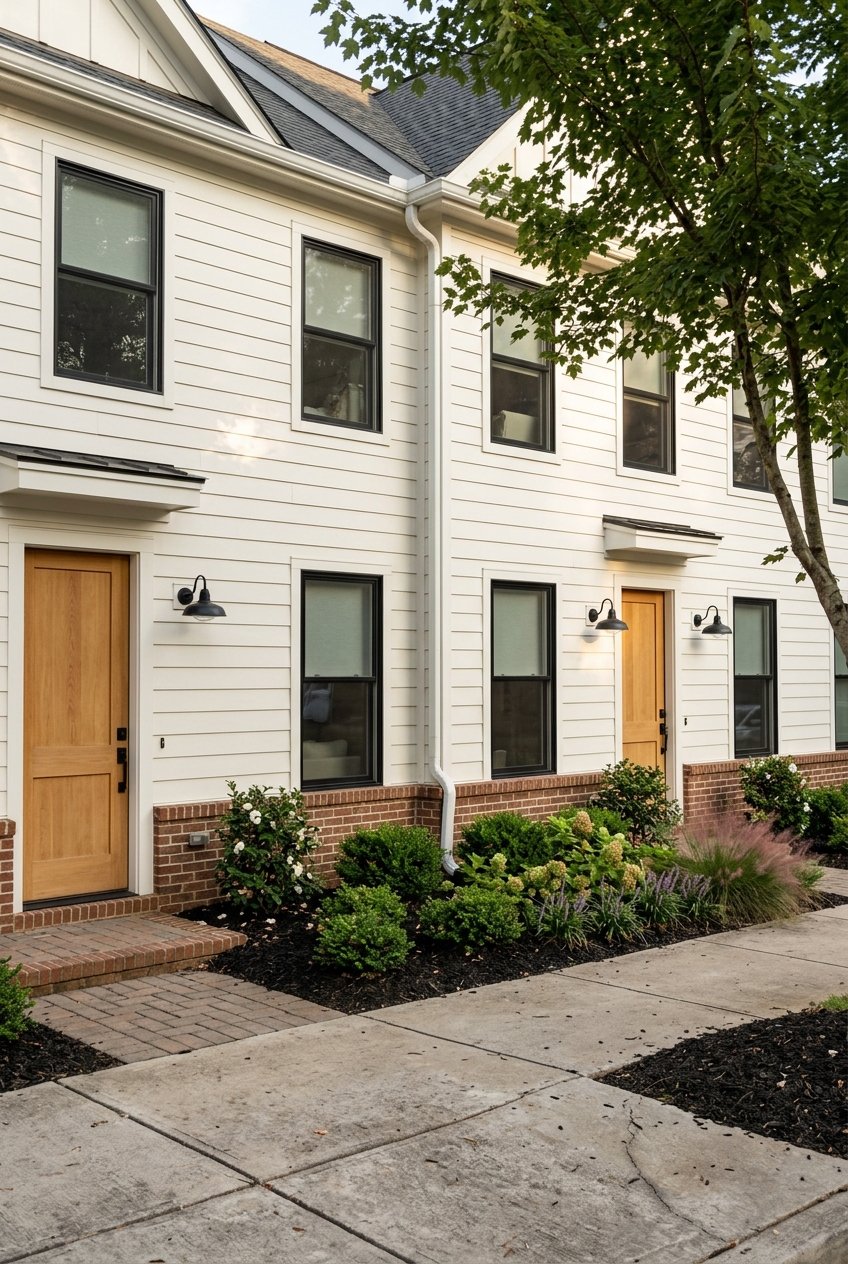
If you are thinking about buying a townhome or condo in Apex, you are probably weighing one big question: will an attached home make your life easier or create new surprises? That is a smart question to ask in a market where prices are still high, inventory can move quickly, and monthly dues can change the true cost of ownership. The good news is that with the right homework, a condo or townhome can be a practical way to buy in Apex. Let’s dive in.
Why Apex buyers consider attached homes
Apex remains one of the higher-priced markets in the Triangle. The Town of Apex reported a median home sales price of $650,750 in June 2025, and Redfin reported a median sale price of $633,750 in March 2026 across all home types. That makes many buyers look closely at townhomes and condos as a lower-cost way to enter the market.
Attached homes often come in below the price of detached homes in Apex. Redfin shows townhouses for sale at a median listing price of $476,000, while condos are much rarer and had a median listing price of $313,000. Current listing examples also show townhomes roughly in the $325,000 to $550,000 range and condos roughly in the $280,000 to $595,000 range.
That lower entry price can appeal to first-time buyers, downsizers, and buyers relocating to the Triangle who want a simpler day-to-day setup. In many cases, you may also get less exterior maintenance than you would with a detached home. Still, the details matter more than the exterior style alone.
Condo vs. townhome in North Carolina
One of the biggest mistakes buyers make is assuming a home is a condo or townhome based only on how it looks. In North Carolina, the legal structure matters more than the architecture. A property that looks like a townhome may legally be a condominium or a planned community.
Under North Carolina law, a condominium means you own your unit and share ownership of common elements. A planned community is usually lot-based, meaning you own the lot and improvements, while also paying toward shared community costs as required by the governing documents. That distinction affects maintenance responsibility, insurance, and what your association handles.
In a condo, the association is generally responsible for maintaining, repairing, and replacing common elements, while you are responsible for the unit itself. In a planned community, the association handles common elements, and the owner is typically responsible for the lot and improvements unless the declaration says otherwise. That is why reading the declaration is so important before you commit.
Why the legal structure matters
The legal setup affects more than paperwork. It helps answer practical questions like who pays for the roof, siding, windows, landscaping, roads, and exterior repairs. It also affects what kind of insurance the association must carry and what you may need to insure yourself.
For example, North Carolina’s Condominium Act requires the association to maintain property insurance on common elements at not less than 80% of replacement cost, plus liability insurance. That does not mean every cost is covered the way you might expect, so you still need to review the association’s insurance summary carefully. A quick glance at the listing is not enough.
What Apex’s market means for your search
Apex is described by Redfin as a very competitive market. Homes receive about two offers on average and sell in around 45 days. Attached homes move on a similar timeline, with townhouses averaging about 42 days on market and condos about 48 days.
That pace rewards buyers who are prepared before they find the right property. If you wait until after you fall in love with a home to understand the HOA, monthly dues, or legal structure, you may feel rushed during a key decision. In Apex, preparation is part of a smart buying strategy.
Inventory is not equal
Townhomes are much more common than condos in Apex right now. Redfin showed 210 townhouses for sale compared with only 5 condos. If you specifically want a condo, you may need to be more flexible on timing, budget, or features.
If you are open to either option, you will likely have more choices with townhomes. But again, do not assume a townhome-style property operates like every other townhome you have seen. The governing documents tell the real story.
HOA fees can change affordability
Monthly dues are one of the biggest differences between attached homes and detached homes. Current listing examples in Apex show townhome HOA fees around $150 to $225 per month, while condo HOA fees in current examples are around $451 to $471 per month. That gap can affect your monthly budget more than many buyers expect.
Those dues may cover valuable services, but you need to know exactly what you are paying for. Fees might include exterior maintenance, landscaping, amenities, insurance on certain shared elements, or other shared expenses. They can also change over time, and special assessments may add extra cost.
When you are comparing homes, it helps to look beyond the purchase price. A lower-priced condo with higher monthly dues may or may not be the better fit for your budget. The right question is not just, “Can I afford the price?” It is also, “Can I comfortably afford the full monthly cost?”
What to review before making an offer
North Carolina gives buyers important disclosure protections, and these matter a lot when you are buying in an HOA or condo association. Sellers of most residential properties must provide a residential property disclosure statement and an owners’ association and mandatory covenants disclosure statement no later than the time you make an offer.
That HOA disclosure should identify the association contact, regular dues, services covered, approved special assessments, judgments or lawsuits, and transfer fees. If the required disclosures were not delivered before the offer, you may have a cancellation right that expires at the end of the third calendar day after receipt or the third calendar day after the contract date, whichever comes first. Timing matters, so you do not want to gloss over these documents.
Your due diligence period matters
The North Carolina Real Estate Commission describes due diligence as your opportunity to investigate the property and transaction during an agreed period. The standard contract allows a buyer to terminate for any reason or no reason during that period. The due diligence fee is negotiated, commonly paid to the seller, and is usually nonrefundable if you terminate without a seller breach.
For an attached home, that due diligence window is your time to verify far more than the home’s condition. It is also when you review the association documents, budget information, rules, insurance summary, and any concerns that could affect your use of the property or future resale. If the timeline is too tight, you may not have enough time to make a confident decision.
Key documents to request and read
When you are buying a condo or townhome in Apex, these are some of the most useful documents to review during due diligence:
- Declaration
- Bylaws
- Rules and regulations
- Current budget
- Reserve information or reserve study, if available
- Recent meeting minutes
- Insurance summary
- Current dues and any special assessments
- Transfer fee information
- Rental limits
- Pet rules
- Parking rules
- Any history of litigation or delinquencies
These documents help you confirm who is responsible for major items like roofs, siding, windows, landscaping, and shared areas. They also help you understand whether the association seems financially stable and whether the rules fit your lifestyle.
Smart questions to ask about any Apex condo or townhome
Before you make an offer, be ready to ask direct questions. A well-priced home can still be the wrong fit if the ownership structure or association finances create problems later.
Here are some of the most important questions:
- Is this property legally a condo or a planned-community townhome?
- What does the monthly fee cover?
- How often have dues changed?
- Are any special assessments pending or being discussed?
- How healthy are the reserves?
- Is there a recent budget or reserve study?
- Who pays for the roof, siding, exterior paint, lawn care, roads, and amenities?
- Are there rental caps, pet restrictions, parking limits, or transfer fees?
- Are there any lawsuits, major repairs, or repeated delinquency issues?
- Does the due diligence period allow enough time for inspections, appraisal, and lender review?
You do not need to memorize all of this on your own. But you do want an organized process, because the answers affect your budget, your day-to-day experience, and your resale options.
What can help resale later
No one can predict the future, but some factors tend to support resale more than others. In Apex, attached homes may show stronger resale appeal when they offer a convenient location, a practical floor plan, good parking or garage space, reasonable dues, and clear maintenance responsibilities.
That last point is easy to overlook. Buyers are often more comfortable with a home when they can clearly understand who handles what. Confusion around maintenance, insurance, or association costs can make a property harder to evaluate.
Think beyond today’s payment
It is natural to focus on your immediate budget, especially if you are a first-time buyer or relocating to a higher-cost area. But resale starts with buying well. Choosing a home with manageable dues, understandable rules, and a solid document trail can make your ownership experience smoother now and your future sale easier later.
This is especially important in a market like Apex, where attached homes can offer a smart entry point but still require careful review. The goal is not just to buy something that works today. It is to buy something you will still feel good about a few years from now.
A practical way to buy with confidence
Buying a townhome or condo in Apex can make a lot of sense if you want a lower-maintenance home or a lower entry price than many detached homes in the area. But the smartest buyers look past finishes and floor plans and spend time on the legal structure, HOA finances, and document review.
That is where steady guidance can make a big difference. When you understand what you are buying, what the monthly costs really include, and what questions to ask before you commit, you can move forward with much more confidence.
If you are comparing condos, townhomes, or single-family homes in Apex, DiProfio Homes can help you sort through the details, understand the process, and make a decision that fits your goals.
FAQs
What is the difference between a condo and a townhome in Apex?
- In North Carolina, the legal ownership structure matters more than the exterior style. A property that looks like a townhome may legally be a condominium or a planned community, and that affects maintenance responsibilities, insurance, and association rules.
What are typical HOA fees for Apex townhomes and condos?
- Current listing examples show Apex townhome HOA fees around $150 to $225 per month, while condo HOA fees in current examples are around $451 to $471 per month.
How competitive is the market for Apex townhomes and condos?
- Redfin describes Apex as a very competitive market. Townhomes average about 42 days on market, condos about 48 days, and homes in Apex overall sell in around 45 days.
What documents should you review before buying an Apex attached home?
- You should review the declaration, bylaws, rules, budget, reserve information if available, meeting minutes, insurance summary, current dues, special assessments, transfer fees, and any rental, pet, or parking restrictions.
What disclosures are required for an HOA home in North Carolina?
- Sellers of most residential properties must provide a residential property disclosure statement and an owners’ association and mandatory covenants disclosure statement no later than the time you make an offer.
Why does due diligence matter when buying a condo or townhome in Apex?
- Your due diligence period is your chance to investigate both the property and the association. It gives you time to review documents, ask questions, complete inspections, and decide whether the home truly fits your needs.
